Beyond the State: How Municipal Networks Are Reshaping the Global South
Direct, city-to-city cooperation across the Global South has emerged as an effective operational strategy to tackle overlapping crises, from urban security to climate vulnerability.

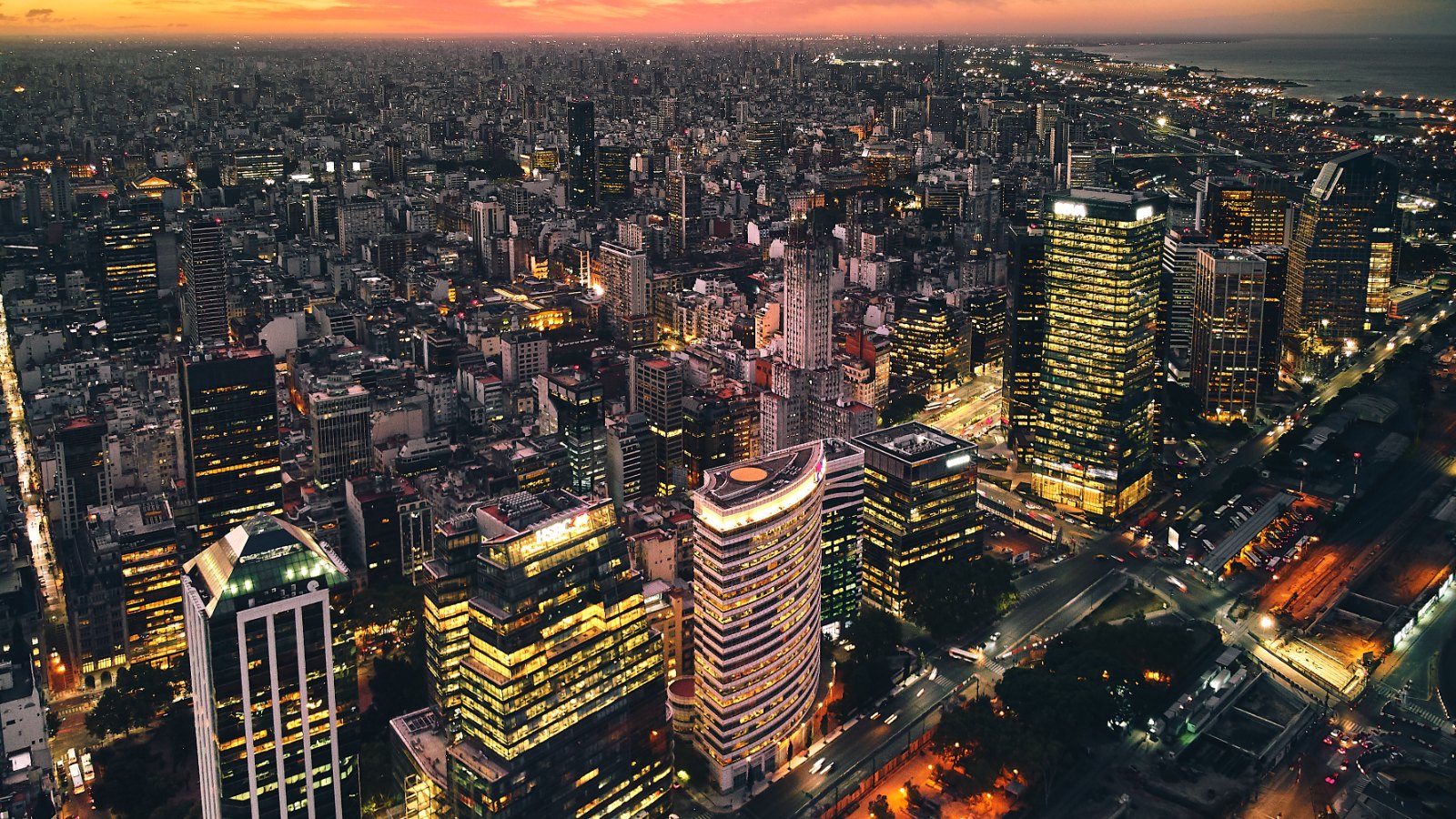
While traditional, high-level diplomacy and state-to-state agreements remain essential, they increasingly expose the limits of national bureaucratic inertia. It is time to look beyond these conventional paradigms. Direct, city-to-city cooperation across the Global South has emerged as an effective operational strategy to tackle overlapping crises, from urban security to climate vulnerability. We need to integrate these agile municipal networks into the broader international framework. The future of global governance requires recognising cities not just as local administrators, but as the primary engines capable of turning complex global challenges into rapid, scalable solutions.
The Limits of Traditional Diplomacy and the Urban Imperative
For centuries, the international system has operated under a strict Westphalian paradigm, where the nation-state is the sole legitimate actor on the global stage. However, the accelerating pace of globalisation and the growing complexity of contemporary crises—ranging from climate change to systemic inequality—have exposed the profound limitations of state-centric governance. National governments, constrained by slow bureaucratic processes, shifting geopolitical alliances, and the need to reconcile vastly heterogeneous domestic interests, frequently fail to deliver localised, timely solutions.
As the world rapidly urbanises, the burden of these global challenges falls disproportionately on metropolitan areas. Cities are the front lines where abstract global phenomena materialise into concrete human emergencies. Because local governments experience these impacts directly, they are forced to innovate and act with an agility that central governments rarely possess. A hyper-localised diagnosis allows municipal leaders to understand their unique vulnerabilities and competitive advantages, making it imperative that cities transition from being passive implementers of national policy to active participants in the international arena.
Share of the world's population living in urban areas — 1950 to 2018, with UN projections to 2050 — 1950: 30; 1990: 43; 2018: 55; 2030: 60; 2050: 68 — Source: UN DESA, World Urbanization Prospects 2018. Figures for 2030 and 2050 are projections.
Paradiplomacy and the Rise of Horizontal Networks
To circumvent the limitations of central bureaucracies and address shared challenges, cities have increasingly engaged in "paradiplomacy." This phenomenon allows non-central governments to actively participate in international relations to promote their socioeconomic and cultural interests, establishing direct contacts with foreign entities to bypass the slow mechanisms of national states (Granato & Oddone, 2010). By projecting themselves internationally, local governments can attract investment, share technological innovations, and formulate joint responses to transnational threats.
In the Global South, where resources are often scarce and national support can be inconsistent, this paradiplomatic activity has evolved into sophisticated, horizontal networks. These municipal alliances actively dismantle the outdated, vertical "donor-recipient" models of international aid, replacing them with collaborative frameworks based on mutual learning and shared experiences. Initiatives like the Euro-Latin American Alliance for Cooperation between Cities (AL-LAs) demonstrate that city networks can successfully transition local governments into global decision-makers, driving cross-border projects that integrate international action directly into local constitutional and legal frameworks (Ramírez Pacheco, 2017). Through these networks, a successful public transit model or a climate resilience strategy developed in one city can be rapidly adapted and deployed in another, generating a scalable impact that traditional diplomacy struggles to achieve.
Urban share of the population in Global South regions — 2018 and UN projection for 2050 — Latin America and the Caribbean: 81%,88%; Asia, 50% to 66%: ,; Africa, 43% to 59%: , — Source: UN DESA, World Urbanization Prospects 2018. The 2050 figures are projections.
Institutional Barriers and the Path to Integration
Despite their undeniable operational success, the formal integration of municipal networks into global governance architecture remains obstructed by significant legal and institutional hurdles. The international system is still overwhelmingly designed by and for nation-states. Consequently, city organisations face widespread difficulties in being recognised as legitimate subjects of Public International Law, which restricts their ability to directly sign binding international treaties or access multilateral financing without the mediation of their central governments (Granato & Oddone, 2010).
This lack of formal legal personality relegates cities to the periphery of global decision-making. When major international summits convene to dictate the future of climate action or sustainable development, the voices of the Mayors and local administrators who will actually implement these policies are often marginalised. National governments frequently view paradiplomacy with suspicion, fearing a fragmentation of their foreign policy or an erosion of their sovereign prerogatives.
Conclusion
The crises of the 21st century cannot be solved by 17th-century institutional frameworks. The decentralisation of foreign policy and the legal consolidation of networked municipal cooperation do not represent a threat to state sovereignty, but rather a necessary evolutionary step to guarantee the governability of human settlements.
To build a genuinely robust international system, the international community must dismantle the barriers that prevent cities from acting as full global partners. Recognising the role of municipalities as primary laboratories for public innovation requires providing them with direct funding access, voting power in relevant multilateral forums, and formal legal recognition. Only by institutionalising cities and their transnational networks as legitimate pillars of global governance will we be able to transform the shared vulnerabilities of the Global South into a powerful engine for planetary resilience and prosperity.
References
- —Granato, L., & Oddone, N. (2010). La cooperación internacional de las ciudades en un contexto de integración regional. Herramienta para el desarrollo. Versus Acadêmica, (Abril), 58-71.
- —Ramírez Pacheco, D. L. (2017). Un acercamiento a la cooperación internacional en redes para el desarrollo de los gobiernos locales. Entretextos, 9(27), 128-135.
Sofia Garcia Roig is an International Relations graduate serving as Protocol and Ceremony Advisor to the Mayor of Buenos Aires, Argentina, where she organises official visits for global dignitaries. Her work focuses on South-South municipal partnerships, urban climate resilience and city-to-city diplomacy.
The views expressed in this piece are the author's own. Global Outlook publishes contributed opinion as a platform and does not endorse it.
More from International Affairs
The Gandhian Logic of Peace: India Builds a Larger Playground at BRICS
From Gandhi's internationalism to non-alignment and now multi-alignment, India's 2026 BRICS chairship shows how a large country keeps its freedom of choice.
21 Sept 2026BRICS is a Hedge and a Signal, One That Delivers Real Leverage in a Multipolar Order
As Washington's regional bets falter, BRICS members insist the bloc is “non-West, not anti-West”
17 Sept 2026Macron Chooses Populism as France Sanctions Israel
Qatari money, British angst and rising antisemitism have been a recipe for France’s latest Israel policy